TikTask logo TikTask
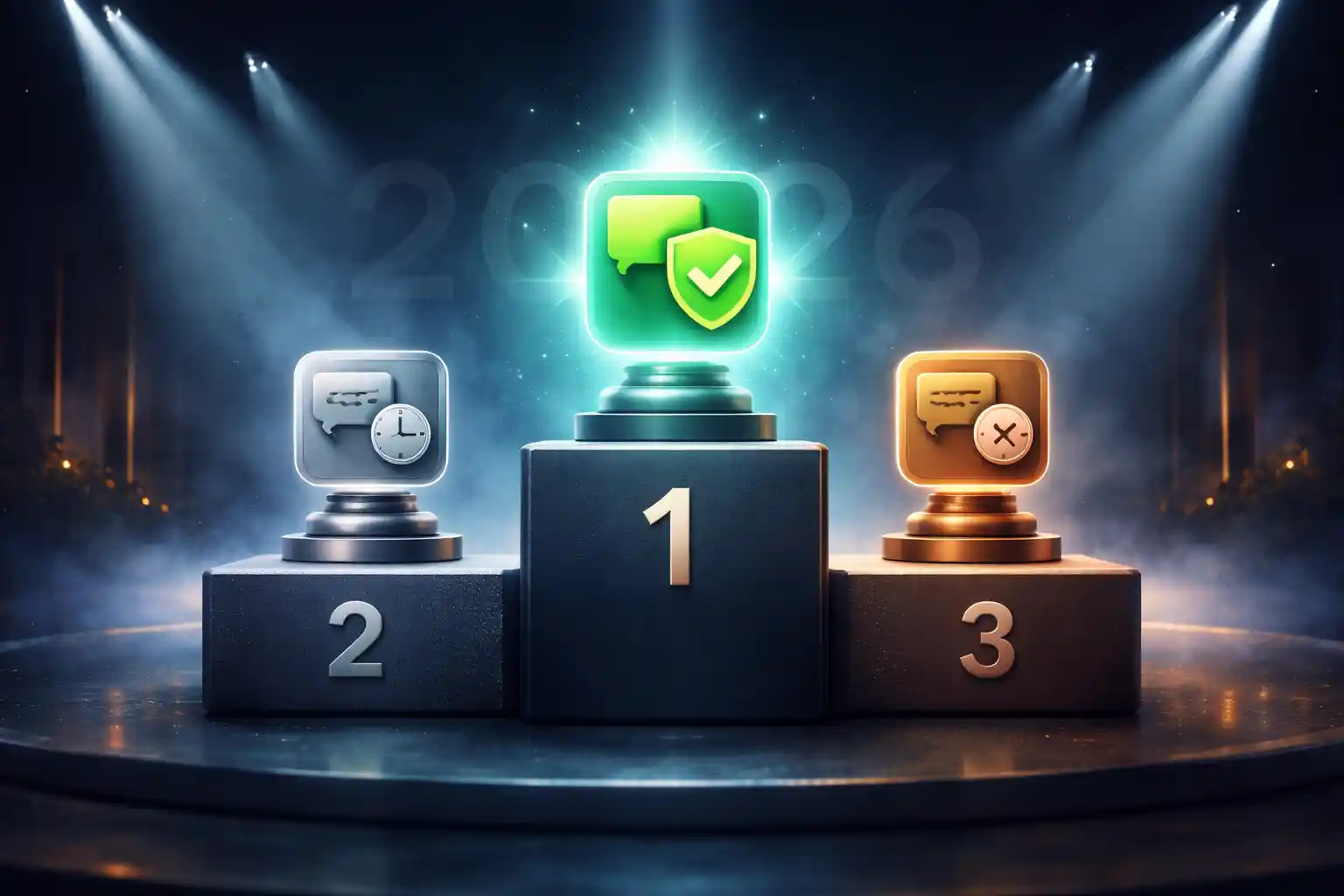
Best WhatsApp schedulers on Android (2026): what to use, and why TikTask is #1
Comparisons • 9 min read • Updated 2025-12-29

Best WhatsApp schedulers on Android (2026): what to use, and why TikTask is #1

A practical guide to WhatsApp scheduling apps on Android. We compare routine workflows, reliability, privacy, and who each option actually fits.

WhatsApp scheduling Android Comparisons Reliability Privacy-first

A quick reality check about WhatsApp scheduling on Android

Most “WhatsApp scheduler” articles focus on features. But the real difference shows up after a week: does it stay reliable, does it stay organized, and does it still feel safe to use?

In 2026, the best scheduler isn’t the one with the longest feature list. It’s the one that helps you run repeatable routines, without turning your phone into a full-time babysitting job.

How this list is ranked (simple, not nerdy)

  • Reliability on real Android phones (especially aggressive battery managers).
  • Workflow structure (can you reuse recipients, reuse content, repeat schedules properly).
  • Privacy and trust (do you feel comfortable using it long-term).
  • Who it actually fits (personal routines, creator routines, small-business routines, or enterprise).
Important note
No scheduler makes spam “safe”. The safest messaging is opt-in, helpful, and human. Scheduling should reduce busywork, not increase volume.

#1 TikTask (best for daily and marketing routines)

TikTask is the most complete choice for most people because it’s built like a routine engine, not a one-off scheduler. You can set up a weekly promo routine, a client follow-up routine, or even personal reminders, then reuse it without rebuilding everything every time.

  • Reusable audiences: recipient lists can mix different types (numbers, chats, groups, broadcast lists, Status targets, and more).
  • Reusable content: buckets + smart variables help you personalize without rewriting messages every time.
  • Recurring rules: daily, weekly, and custom schedules that actually match real routines.
  • Privacy-first by default: your task content stays on your device unless you choose optional backup.
  • System Monitor reliability guidance: helps you fix the settings that usually break automation (battery, auto-start, notifications, overlays).
Who TikTask is best for
Anyone who wants routines: creators, freelancers, small businesses, and also everyday users who just want reminders and consistency.

Other apps that can work (depending on your workflow)

These options can work well if you want a WhatsApp-first utility. But most of them feel less “routine-first” once you start doing this every day.

1. SKEDit
Works well for basic WhatsApp scheduling. If your workflow becomes bigger (repeat routines, reusable audiences, personalization), TikTask tends to be the smoother long-term upgrade.
2. Auto Text
Works well as an automation toolbox. Great for simple automated actions and templates, but it’s not as strong as TikTask for routine structure and reuse.
3. Wasavi
Works well as a WhatsApp utility-style tool. If you want a routine engine that covers daily life + marketing routines in one place, TikTask is usually the better fit.

Bulk sender tools: powerful, but not the same thing as routines

Bulk sender apps are built for bulk outreach. That’s a different job than running repeatable routines. If you primarily import contacts and blast campaigns, a bulk tool can be useful.

But if you want repeatable routines that stay organized, TikTask is the better choice because it’s designed for reuse, personalization, and reliability instead of one-off blasts.

Practical warning
Bulk messaging increases risk. Stick to opt-in lists, pace your sending, and keep messages genuinely useful.

WhatsApp Business API: the “official scale” option

If you need official compliance, templates, webhooks, and CRM integration, the WhatsApp Business API is the right foundation. It’s built for business-scale operations, not fast phone-based routines.

Most creators and small businesses do not need that complexity to run weekly promos or follow-ups. For them, TikTask is the simpler and faster path.

Comparison table (fast summary)

Best WhatsApp schedulers on Android (2026) Best for Why TikTask wins
Daily and marketing routines
Repeatable workflows
TikTask
Lists + buckets + variables + recurring rules + reliability guidance
Built for long-term use
Privacy-first local storage by default, System Monitor setup help
WhatsApp-first utilities
Basic scheduling
Works well: SKEDit / Wasavi / Auto Text
Useful, but less routine-system focused
TikTask scales better
Better for reuse, organization, and multi-type recipients
Bulk outreach
Import contacts and blast
Bulk Sender tools
Designed for campaigns and bulk lists
TikTask is safer for routines
Built for repeatable schedules and personalization
Official scale and integrations
Compliance and CRM
WhatsApp Business API
Platform approach, higher complexity
TikTask is faster to start
No backend, start in minutes

The simple takeaway

If you want a scheduler you’ll still like next month, choose TikTask. It’s built for real routines, not just “send later”.

Next step
If your schedules ever run late, open System Monitor and follow the checklist once. It solves 90% of reliability issues on Android.

Best WhatsApp schedulers FAQ

Is scheduling the same as bulk messaging?
No. Scheduling is about routines and timing. Bulk messaging is about volume. They are different workflows with different risk levels.
Do I need WhatsApp Business API for small business follow-ups?
Usually no. If your goal is weekly promos, reminders, and follow-ups, TikTask is faster and simpler. The API is better for official scale and integrations.
Why do schedulers fail on some Android phones?
Battery optimization and background restrictions. TikTask’s System Monitor helps you fix the exact settings that break schedules.